Physical Security Priorities 2026: The Shift Toward Integrated Intelligence
As we move through 2026, the Greater Chicago Area / Chicagoland commercial sector is seeing a fundamental shift in how physical security is prioritized. Facility managers and property owners are moving away from siloed hardware installations toward unified, intelligent environments that prioritize data-driven decision-making and operational efficiency.
The Shift Toward Converged Roles
The boundary between traditional security management and IT infrastructure is disappearing. Modern security systems now reside almost entirely on the building’s network, requiring a deep understanding of bandwidth management, PoE budgets, and cybersecurity protocols. This convergence allows for more streamlined management but requires a more sophisticated approach to system design and maintenance.
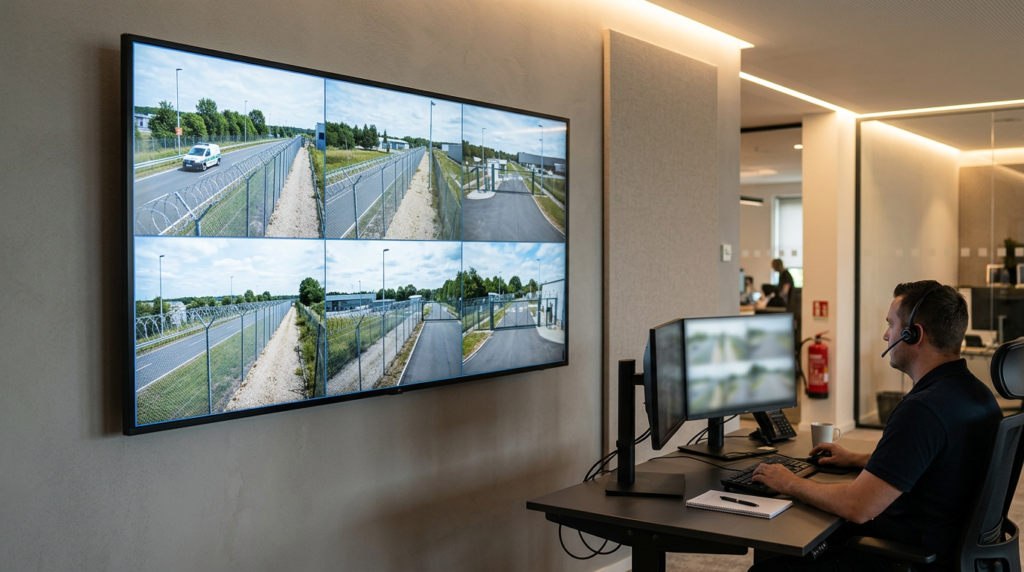
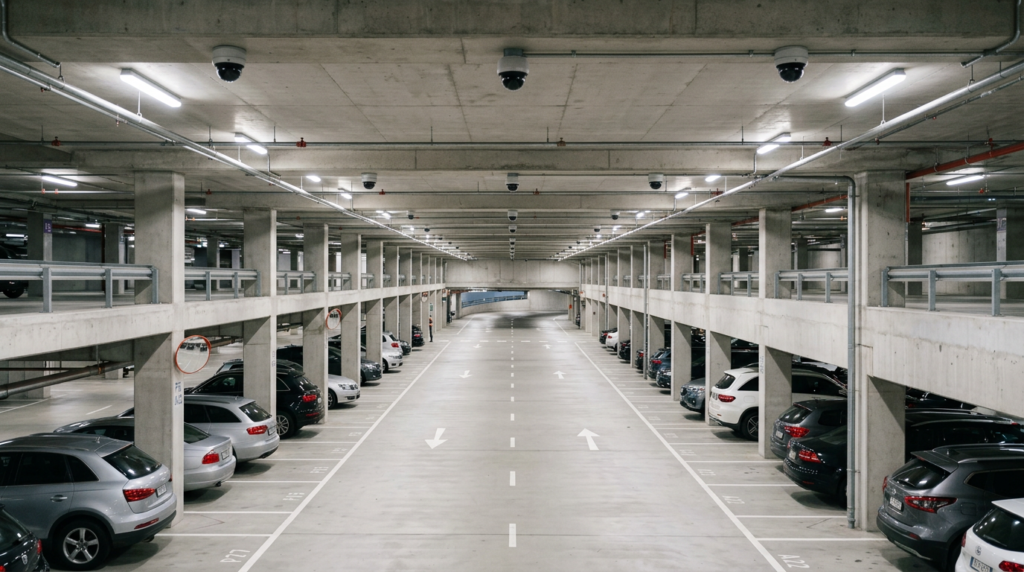
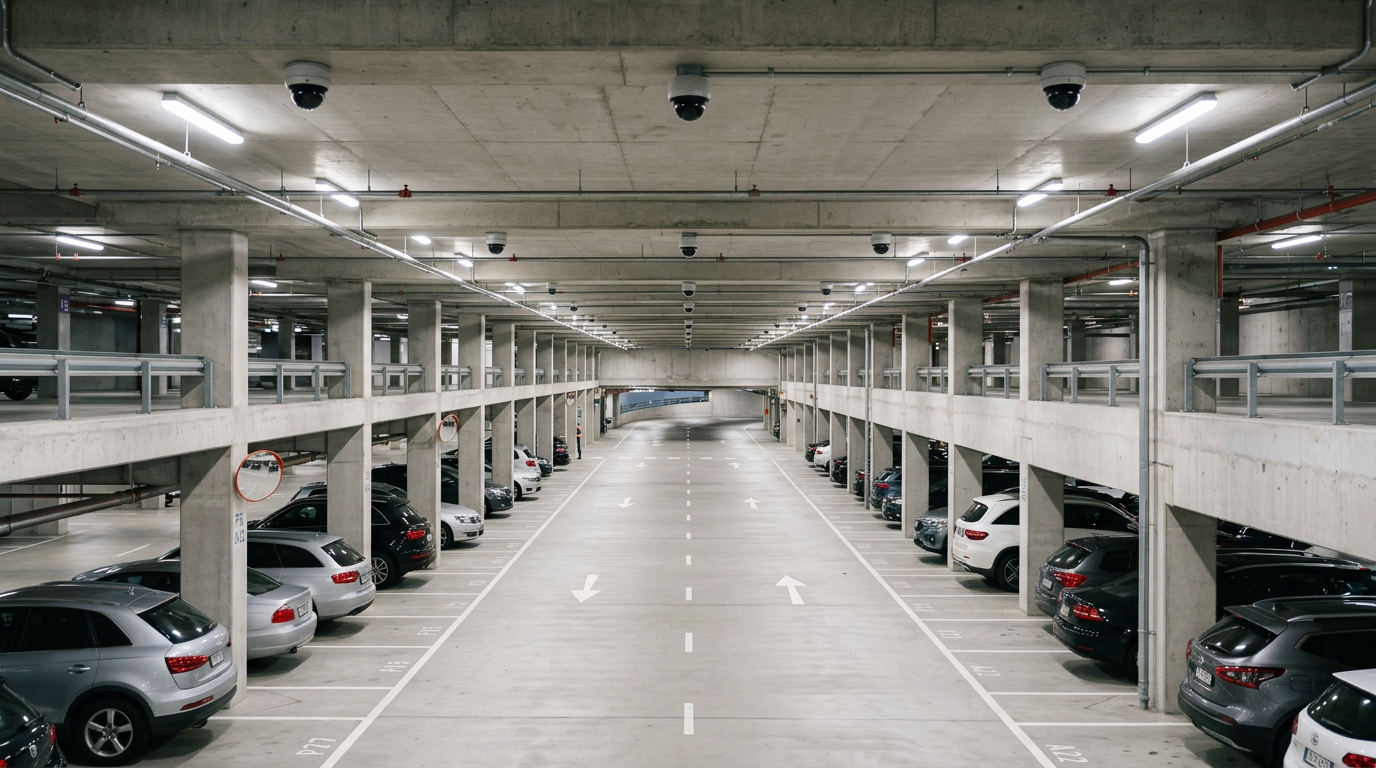
Property managers are increasingly looking for “single-pane-of-glass” solutions where video surveillance, access control, and intrusion detection are managed through a single interface. This integration reduces the time required to verify incidents and allows for more proactive responses to potential threats before they escalate into significant liability issues.
Core Components of a 2026 Strategy
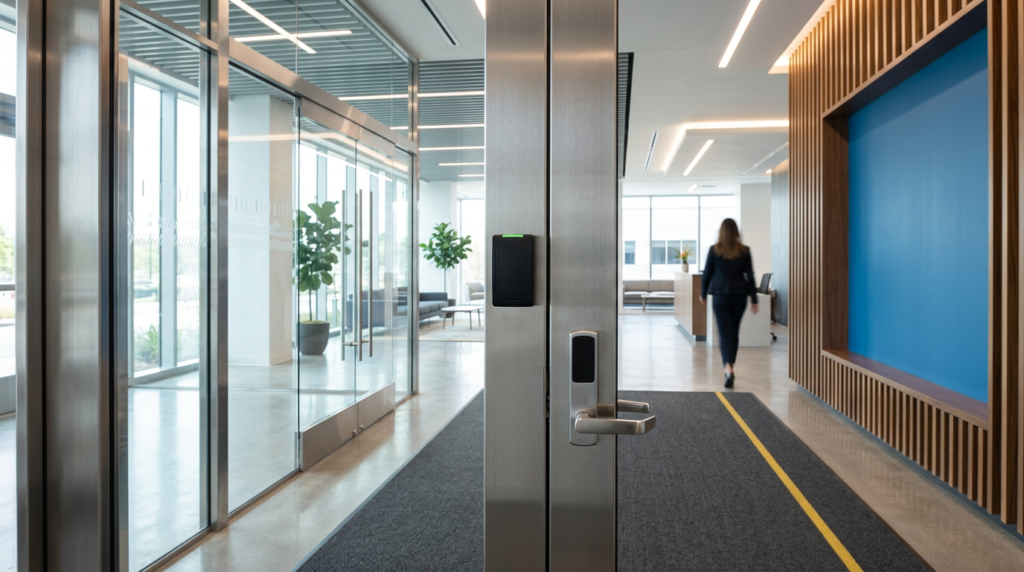
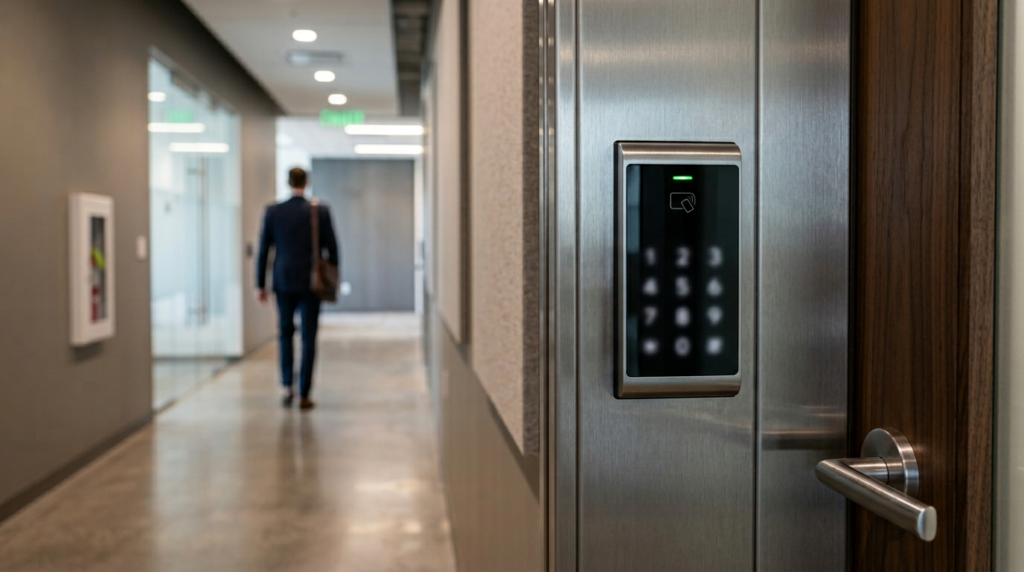
Effective security in 2026 relies on a foundation of high-resolution visual monitoring and encrypted access credentials. Legacy analog cameras and unencrypted 125kHz fobs are being replaced by IP-based systems and smart credentials that are resistant to common duplication and hacking techniques.
| Feature | Priority Level | Strategic Value |
| Encrypted Credentials | High | Eliminates unauthorized fob cloning and duplication. |
| AI Video Analytics | High | Reduces false alarms and enables natural-language search. |
| Unified Management | Medium | Centralizes logs for faster incident verification. |
| Cloud-Native Storage | Medium | Provides scalable, redundant off-site video retention. |
Implementation Path and Future-Proofing
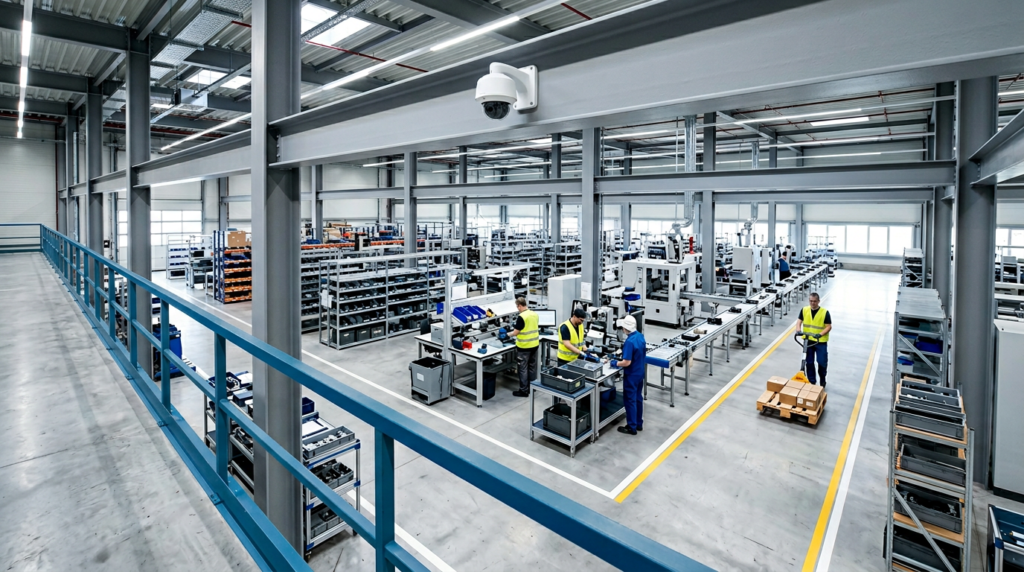
The transition to a more intelligent security posture often follows a hybrid path. Rather than a total system replacement, many facilities are opting to upgrade critical “choke points”—such as main lobbies and high-value storage areas—with the latest hardware while maintaining legacy devices in lower-priority zones.
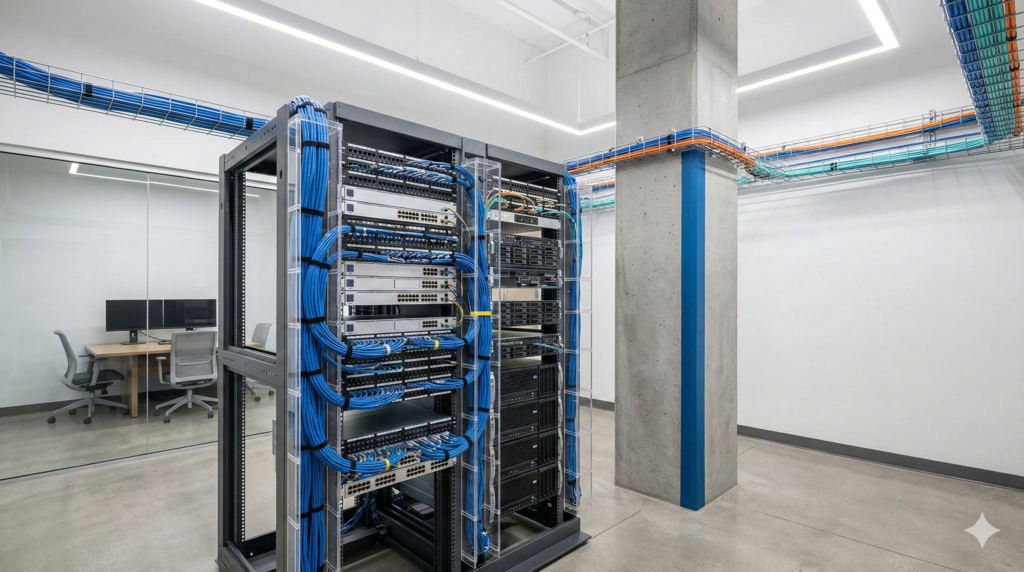
Future-proofing involves ensuring that the underlying structured cabling is capable of supporting the next generation of high-bandwidth devices. Installing Cat6A pathways today ensures that the facility can support 4K or 8K video streams and advanced AI processing at the edge without requiring another expensive retrofit in the near future.
Commissioning and Continuous Auditing
A secure facility is not a finished project but an ongoing process. Regular security risk assessments and system audits are essential for identifying new vulnerabilities as the building’s usage patterns change. These audits ensure that camera fields of view remain unobstructed and that access permissions are updated to reflect current staffing levels.
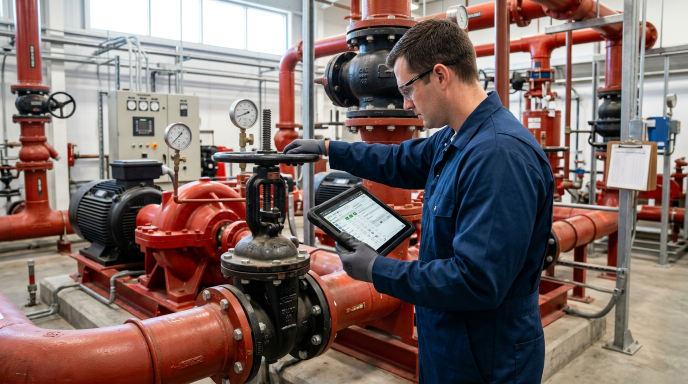
Documentation plays a vital role in this cycle. Maintaining accurate as-built drawings and device schedules allows for faster troubleshooting and easier system expansions. By prioritizing high-quality documentation and recurring maintenance, owners can protect their investment and ensure their life-safety systems are always ready to perform.
Next Steps
Meridian Alarm provides comprehensive technology audits and prioritized security roadmaps for commercial properties. To prepare for a strategy review, please have your current site map, your last security audit report, and a list of your facility’s most critical assets available for our team.
Service Area: Cook, DuPage, Kane, Kendall, Lake, McHenry, Will