Navigating HIPAA Compliance: What Office Owners Need to Know
For healthcare providers in the Greater Chicago Area / Chicagoland, maintaining regulatory compliance is a complex but necessary requirement for daily operations. While much of the focus regarding the Health Insurance Portability and Accountability Act (HIPAA) centers on digital cybersecurity, the physical security of the facility plays an equally vital role in protecting patient privacy and mitigating liability.
What the Mandate Means in Practice
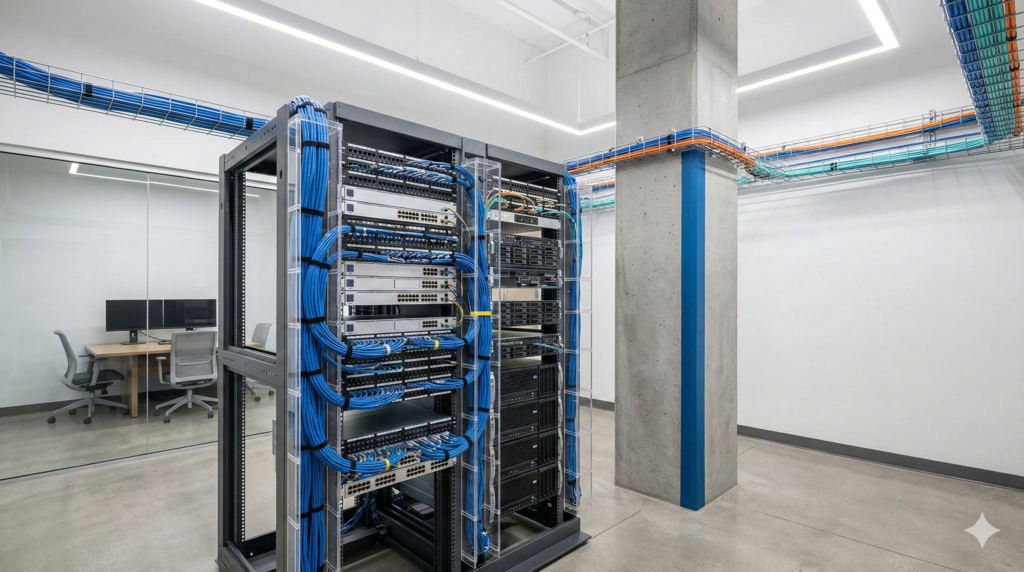
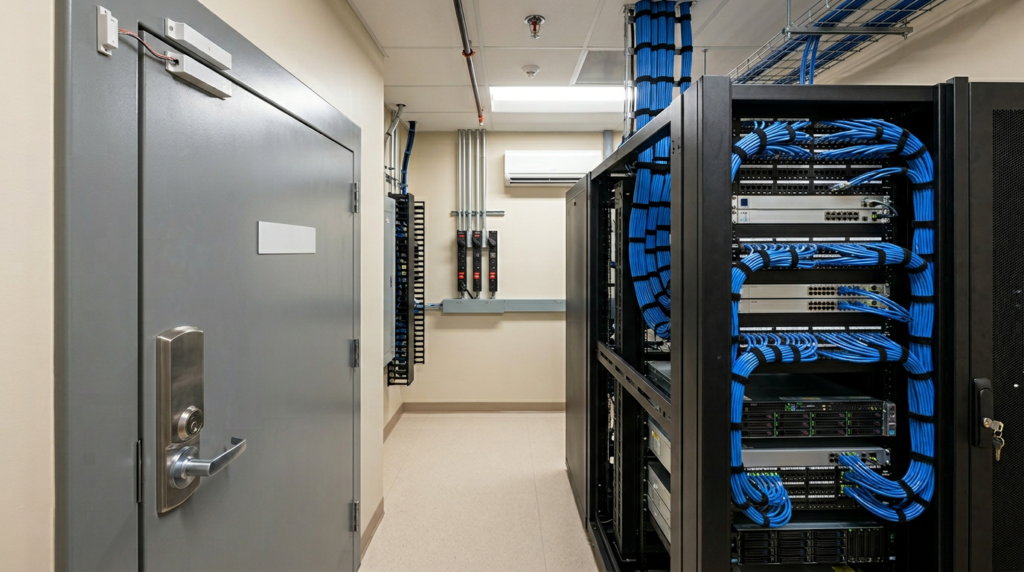
Physical safeguards under HIPAA require covered entities to limit access to electronic information systems and the facilities in which they are housed. This translates to a need for robust physical barriers and electronic access controls that ensure only authorized personnel can enter areas where patient data is processed or stored.
Compliance involves more than just locking doors; it requires a verifiable method of controlling and logging access. This ensures that every entry into a sensitive area—such as a records room or an IT closet—is documented, providing a clear audit trail that can be reviewed during an official inspection or in the event of a security breach.
Who Is Typically Affected
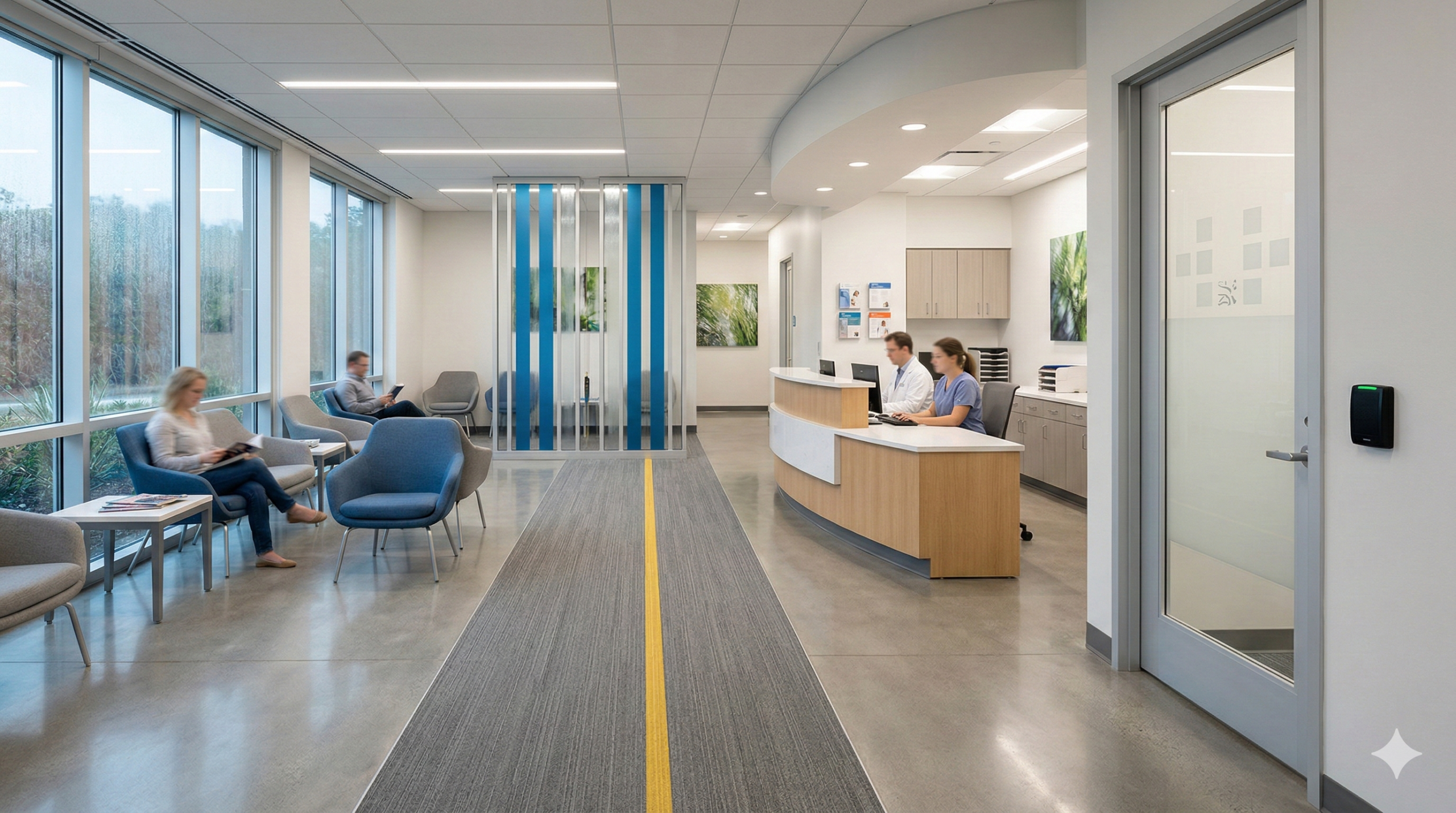
These physical security requirements apply to a wide range of facilities, including private medical practices, dental offices, clinics, and multi-tenant professional buildings housing healthcare-related businesses. Property managers and facility directors must work closely with tenants to ensure that the building’s infrastructure supports these rigorous privacy standards.
The mandate also extends to business associates who may have access to patient information, such as third-party billing companies or specialized IT providers. Every entity in the chain of care must demonstrate that they have taken the necessary steps to prevent unauthorized physical access to sensitive data.
Hardware, Documentation, and Testing
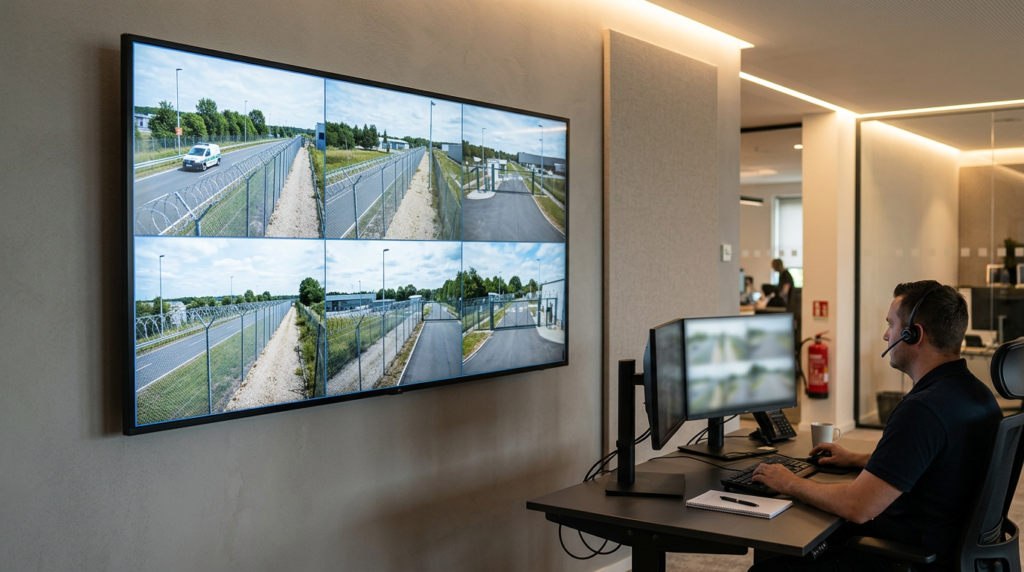
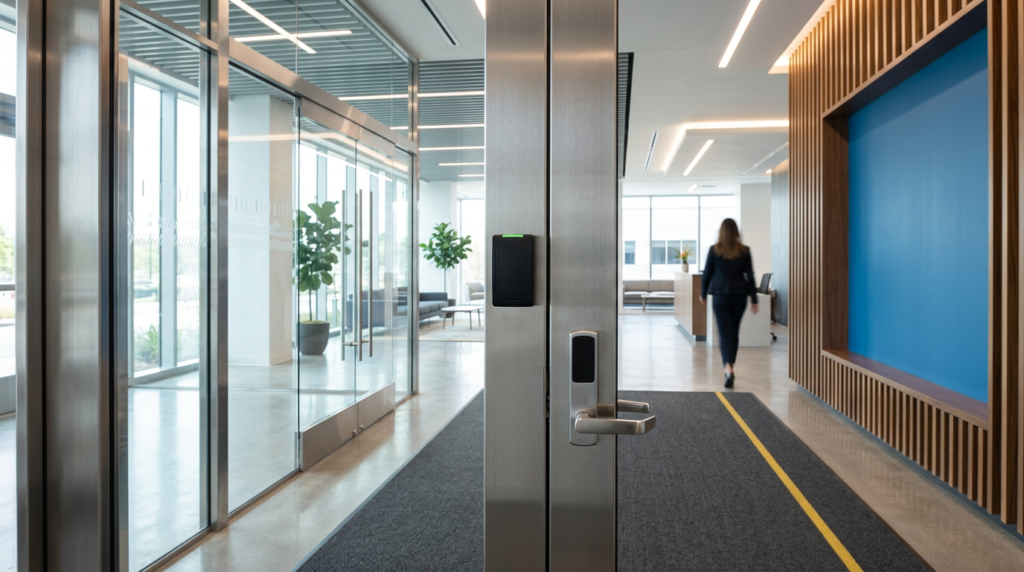
Meeting compliance standards involves the deployment of specific hardware solutions designed for high-security environments. Encrypted access control readers, door position sensors, and high-resolution visual monitoring systems work together to create a defensive perimeter around protected health information.
Documentation is a cornerstone of a compliant security program. Facilities must maintain accurate records of authorized users, hardware maintenance logs, and system test results. Regular testing of all security components—from the functionality of magnetic locks to the coverage of surveillance cameras—ensures that the system remains reliable and that the facility is prepared for an AHJ review.
A Practical Path to Compliance
The process of hardening a facility begins with a comprehensive security audit to identify potential gaps in the physical layer. This audit evaluates existing entry points, verifies the effectiveness of current locks, and identifies areas where additional monitoring or access controls may be required to meet the current standards.
Following the audit, a prioritized remediation plan is developed to address high-risk vulnerabilities. This structured approach allows facility owners to implement necessary upgrades in a way that minimizes operational disruption. Ongoing maintenance and annual security reviews ensure that the facility remains compliant as staff turnover occurs or as operational needs evolve.
Next Steps
Meridian Alarm provides compliance-focused security audits and complete documentation packages for healthcare and professional offices. To prepare for a consultation, please have your current site map, a list of sensitive data storage locations, and your last security system test report available for review.
Service Area: Cook, DuPage, Kane, Kendall, Lake, McHenry, Will