IP Cameras vs. Analog CCTV: Modernizing Your Building’s Visual Strategy
In the Greater Chicago Area / Chicagoland, property managers are increasingly moving away from legacy analog surveillance in favor of Internet Protocol (IP) camera systems. Understanding the fundamental differences between these technologies is essential for building owners looking to improve their security posture while managing long-term infrastructure costs.
Resolution and Intelligence
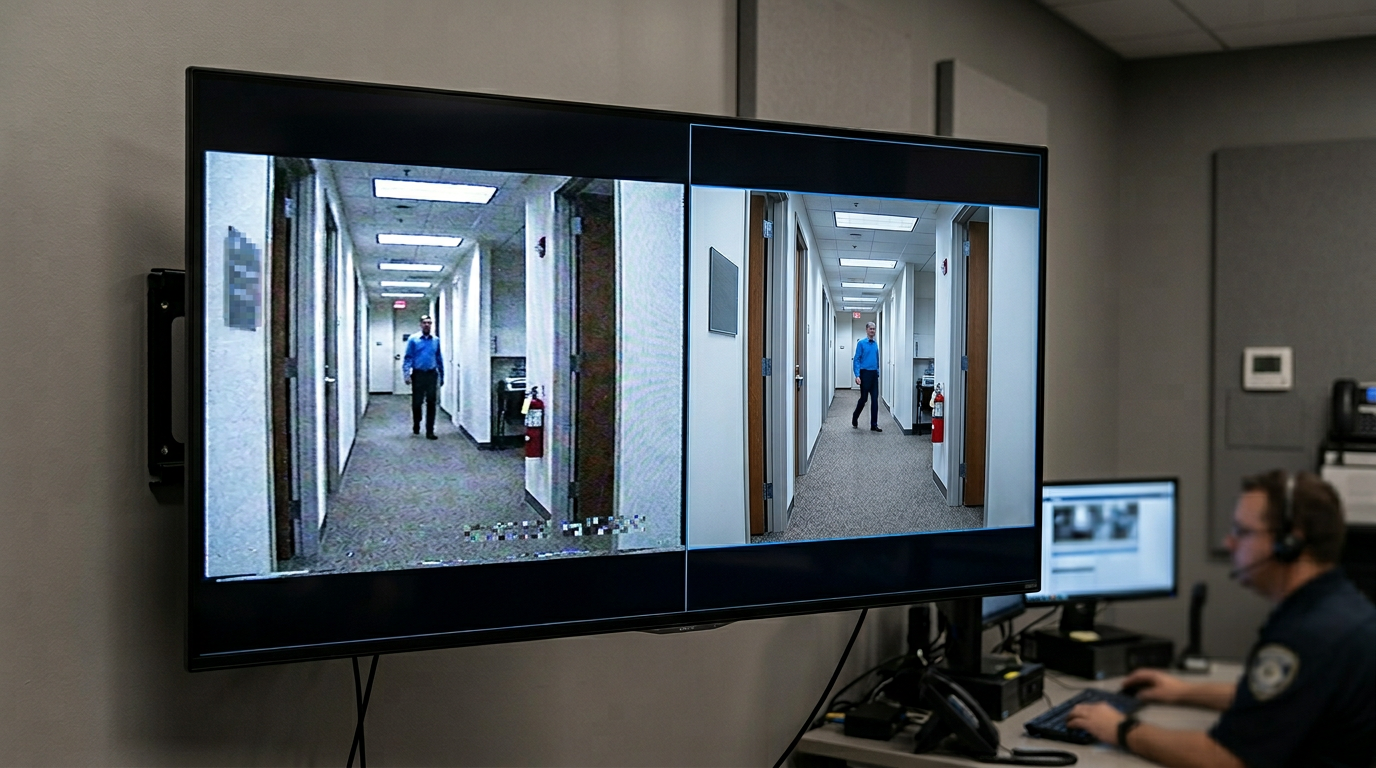
The primary advantage of IP technology lies in image quality and data processing. While traditional analog CCTV is limited by the physical constraints of coaxial cables and NTSC standards, IP cameras transmit digital signals that can reach 4K resolution and beyond. This clarity is vital for identifying faces, license plates, and other forensic details that are often lost in the grainy footage of older systems.
Beyond simple recording, IP cameras act as smart edge devices. Many modern units feature onboard analytics that can distinguish between a person, a vehicle, and an animal. This intelligence reduces false alarms and allows for proactive alerts, such as notifying management when a vehicle enters a restricted zone after hours.
Scalability and Infrastructure
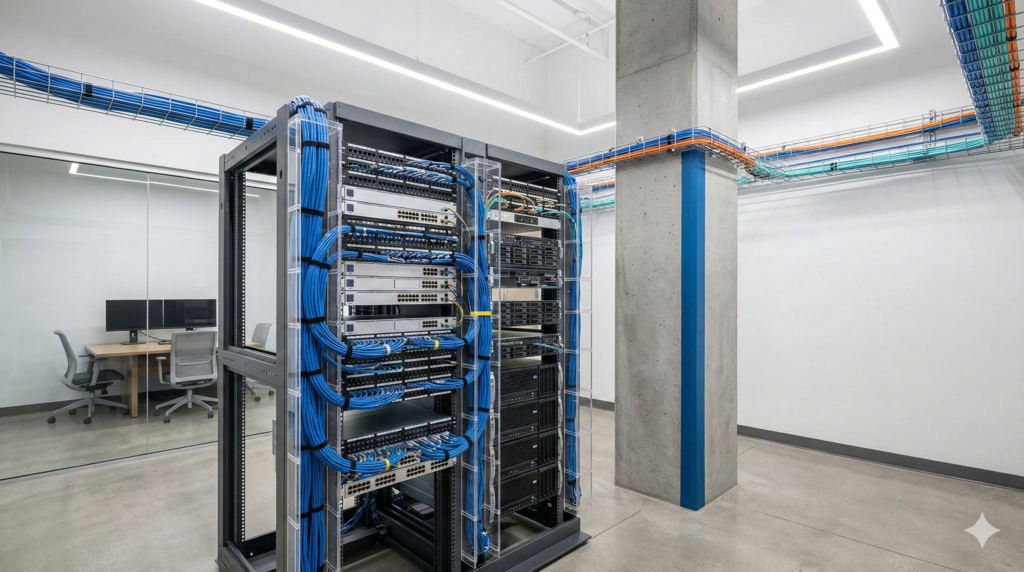
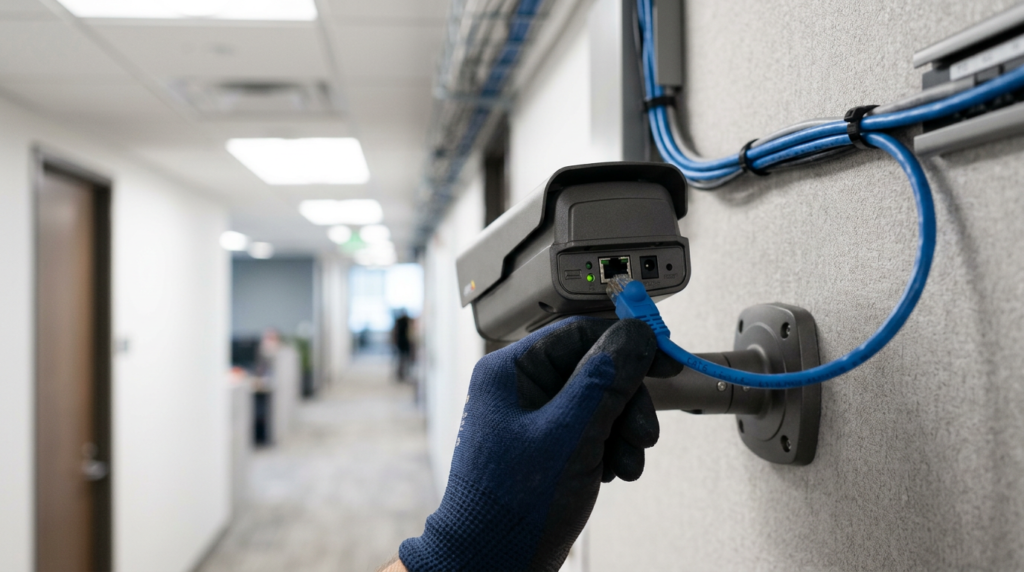
IP systems leverage modern structured cabling, typically utilizing Cat6 or Cat6A Ethernet cables. This infrastructure allows for Power over Ethernet (PoE), meaning a single cable provides both the data connection and the power to the camera. This significantly simplifies installation compared to analog systems, which often require separate power supplies and bulky coaxial runs for every single device.
Scalability is another key differentiator. In a digital environment, adding a new camera is often as simple as plugging it into an existing network switch. This “plug-and-play” capability allows for easier expansion as a business grows, whereas analog systems are often limited by the fixed number of ports available on a physical digital video recorder (DVR).
Remote Accessibility and Security
Because IP cameras are native to the network, they offer superior remote access capabilities. Property managers can view live or recorded footage from a secure application on their mobile devices or laptops from anywhere in the world. This accessibility is managed through robust encryption and user-authentication protocols to ensure the video data remains private and secure.
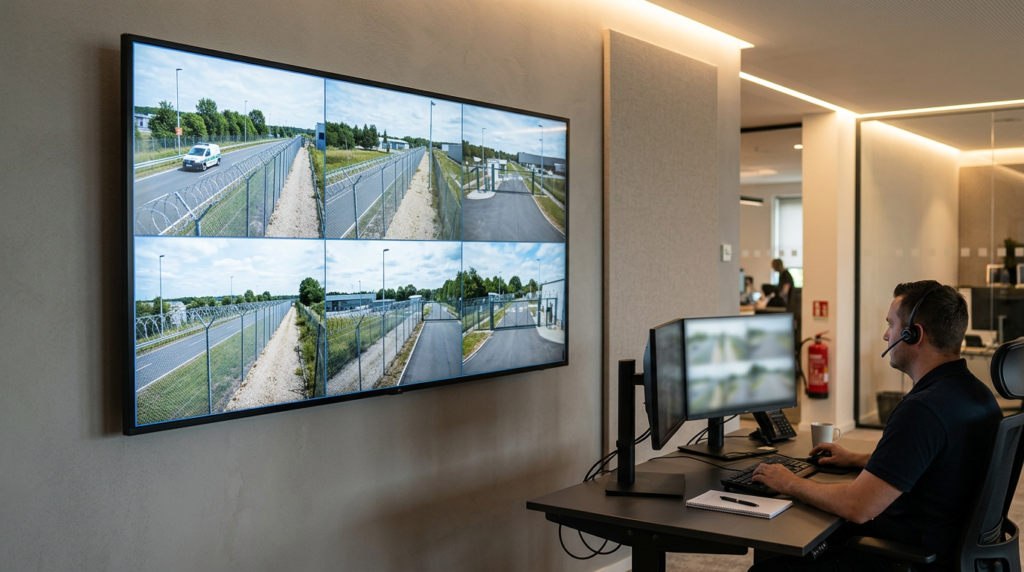
Modern Video Management Software (VMS) allows for the seamless integration of cameras across multiple sites. For owners managing several properties across different counties, this centralized control provides a unified view of all assets, making it easier to coordinate security responses and maintain consistent safety standards across the entire portfolio.
The Path to Migration
For facilities currently operating on older analog hardware, the transition to IP does not always require a “rip and replace” approach. Many modern recorders are hybrid devices, capable of supporting legacy analog cameras while new IP units are phased in over time. This allows for a manageable budget allocation while steadily improving the facility’s visual monitoring capabilities.
The modernization process begins with a comprehensive site audit to evaluate the existing cabling and network capacity. By identifying high-priority areas that require the most detail—such as main lobbies and loading docks—owners can strategically deploy high-resolution IP cameras where they will have the greatest impact on safety and liability protection.
Next Steps
Meridian Alarm provides comprehensive technology audits and written migration plans to help you transition from legacy CCTV to modern IP solutions. To prepare for a review, please have your current camera locations, network equipment list, and a site map of your facility available for our team.
Service Area: Cook, DuPage, Kane, Kendall, Lake, McHenry, Will