Fire and Life Safety in 2026: Key NFPA Code Updates for Your Business
As we move through 2026, staying ahead of regulatory shifts is a core requirement for property managers in the Greater Chicago Area / Chicagoland. National fire codes, specifically updates within NFPA 72 and NFPA 101, continue to evolve to address new technology and higher safety benchmarks for commercial occupancies.
The Push for Enhanced Communication
One of the most significant focus areas for 2026 involves the integration of two-way emergency communication systems. Codes now place a higher emphasis on “Areas of Refuge,” ensuring that individuals who cannot use stairs during an evacuation have a reliable, monitored way to communicate with first responders or a central monitoring station.
Modern systems are moving away from simple analog phones toward IP-based solutions that offer better supervision and clearer audio. For business owners, this means that legacy systems may require specific hardware upgrades to meet the current standards for reliability and accessibility.
Who Is Typically Affected
These updates primarily impact multi-story commercial buildings, healthcare facilities, and educational campuses. Any facility that undergoes a significant renovation or a change in occupancy type will likely be required to bring their entire life-safety suite up to the current 2026 standards.
Local authorities having jurisdiction (AHJs) are increasingly looking for integrated solutions where fire alarms, mass notification systems, and emergency lighting work as a single, cohesive unit. Failure to align with these expectations can result in failed inspections and significant operational delays.
Hardware, Documentation, and Testing
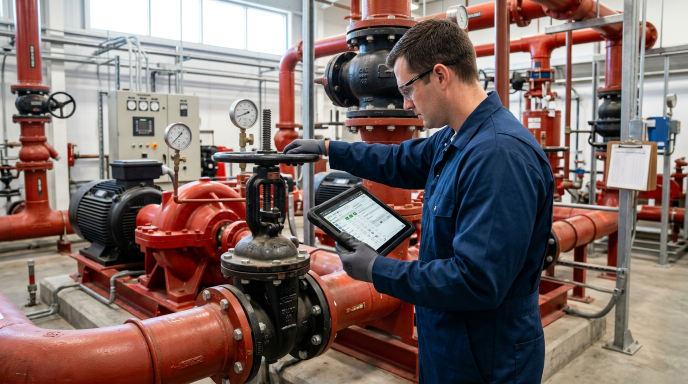
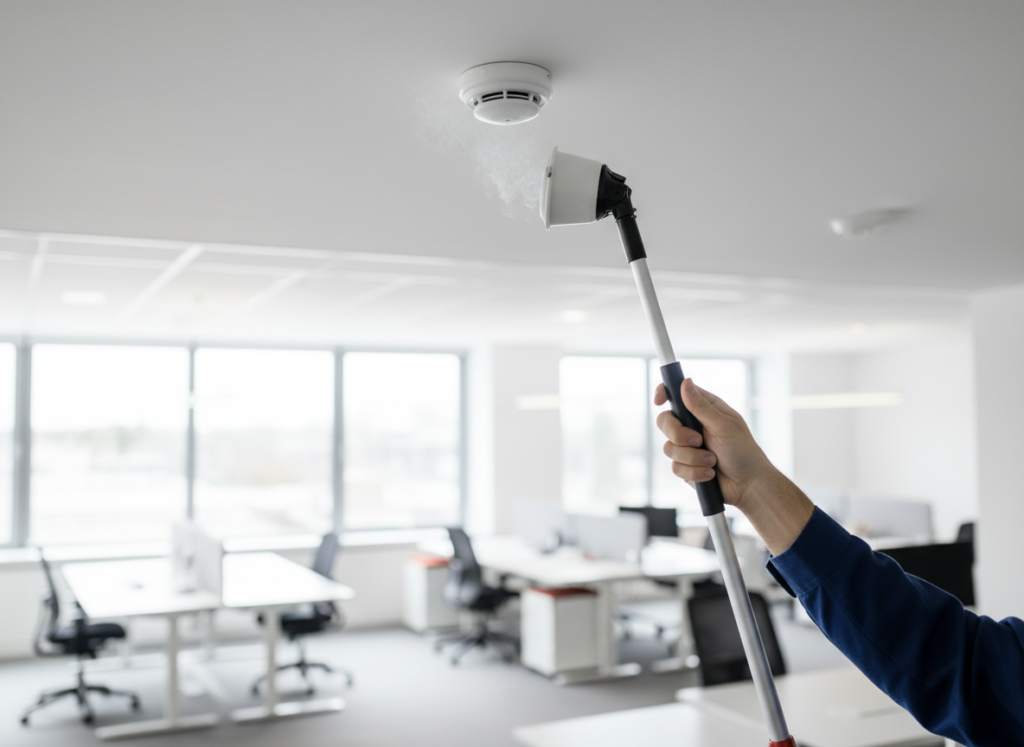
Compliance is built on a foundation of rigorous testing and transparent record-keeping. NFPA codes require that every initiating device—from smoke detectors to manual pull stations—be tested at specific intervals. Furthermore, the sensitivity of smoke detectors must be documented to ensure they will trigger correctly in a fire event without causing excessive false alarms.
In 2026, digital documentation is becoming the industry standard. Property owners should ensure their service provider delivers detailed, time-stamped reports that can be easily accessed during an audit. This documentation must prove that all systems, including emergency power and suppression systems, have been certified by qualified technicians.
A Practical Path to Compliance
The most effective way to navigate code changes is through a professional system audit. This process identifies hardware that has reached its end-of-life or no longer meets the updated signaling requirements of the 2026 codes. By identifying these gaps early, owners can plan for phased upgrades rather than facing emergency repairs.
Ongoing maintenance schedules should be strictly followed to prevent “code debt.” Regularly scheduled inspections not only satisfy the AHJ but also protect the building’s insurance standing and, most importantly, the safety of its occupants.
Next Steps
Meridian Alarm offers detailed code-compliance audits and long-term safety planning for commercial facilities. To prepare for a consultation, please have your current fire alarm blueprints, most recent inspection tags, and any correspondence from your local fire marshal available.
Service Area: Cook, DuPage, Kane, Kendall, Lake, McHenry, Will