
Securing Commercial Parking Facilities: Liability, Risks, and Layered Defense
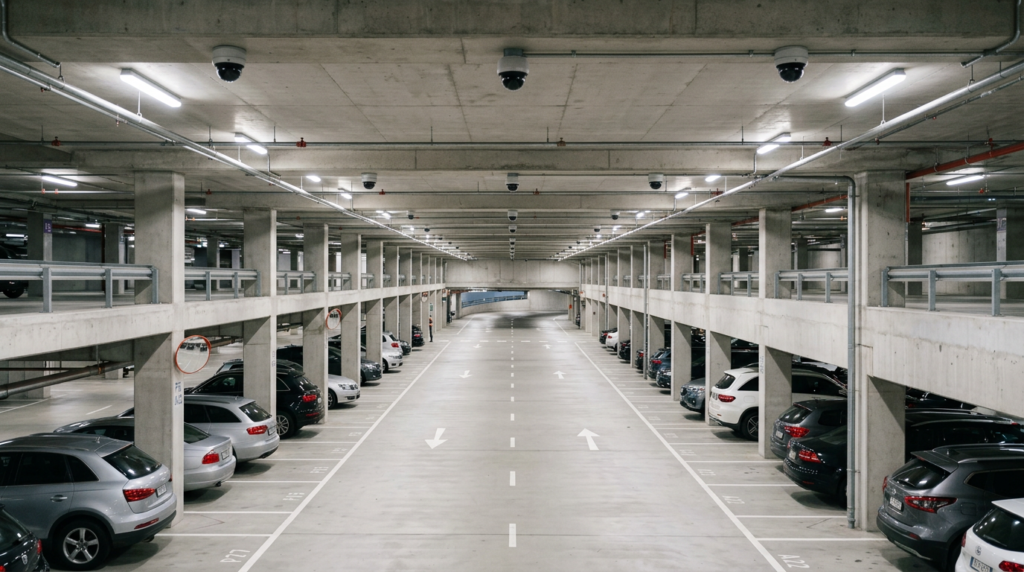
Commercial parking facilities present unique security challenges for property owners and facility managers in the Greater Chicago Area / Chicagoland. Large open spaces, varying lighting conditions, and multiple access points create environments that require deliberate security planning. Without proactive measures, these properties face elevated risks of property damage, vehicle theft, and violent incidents, exposing owners to substantial liability.
The True Cost of Vulnerable Parking Areas
The financial and legal impacts of parking facility incidents extend far beyond direct property loss. Negligent security claims often arise when property owners fail to implement adequate protections in areas with known risks. Settlements and legal defense costs routinely exceed the investment required for a comprehensive, commercial-grade security infrastructure.
A common misstep is assuming that simply installing standalone cameras is sufficient. However, unmonitored recording devices can actually increase legal exposure if they capture incidents but prompt no active response or intervention. Courts frequently view unmonitored cameras as evidence that an owner recognized a threat but failed to implement functional safeguards.
Identifying the Primary Risk Factors
Parking structures become hazardous when fundamental design and security flaws are ignored. Poor lighting is a critical vulnerability that creates blind spots and diminishes the effectiveness of surveillance hardware. Uncontrolled entry and exit points allow unauthorized vehicles to enter freely, facilitating quick escapes and increasing the likelihood of organized theft.
Additionally, structural columns, enclosed stairwells, and mechanical rooms provide natural concealment. Isolation and low foot traffic during off-peak hours further compound these issues. Addressing these physical vulnerabilities is the first step in aligning a facility with premises security standards, including the guidelines outlined in NFPA 731.

Implementing a Layered Security Architecture
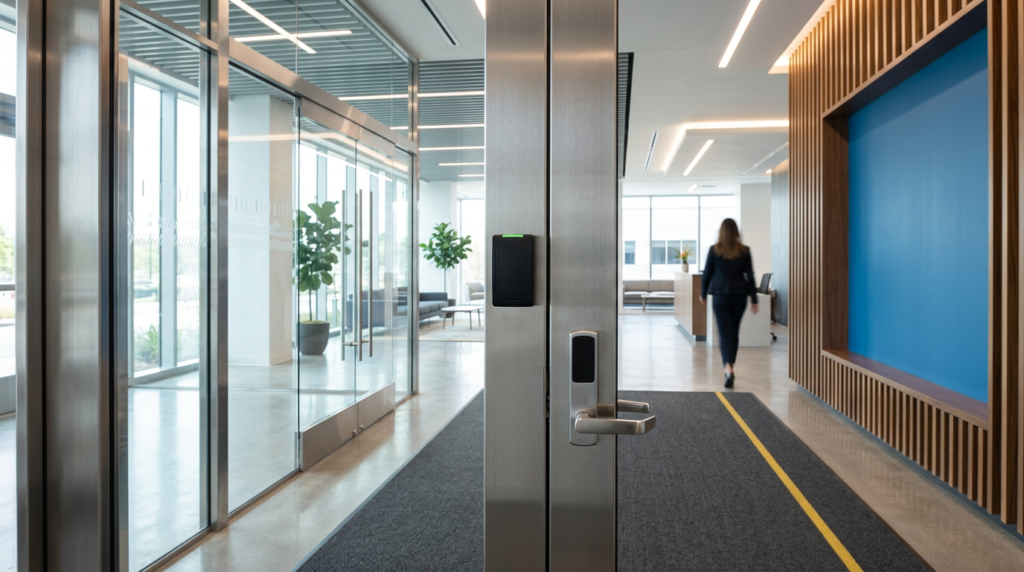
The most effective strategy for securing a parking facility relies on a layered approach that combines physical deterrents with active technology. Access control barriers and card readers at entry lanes restrict unauthorized access instantly, eliminating a vast majority of opportunistic threats.
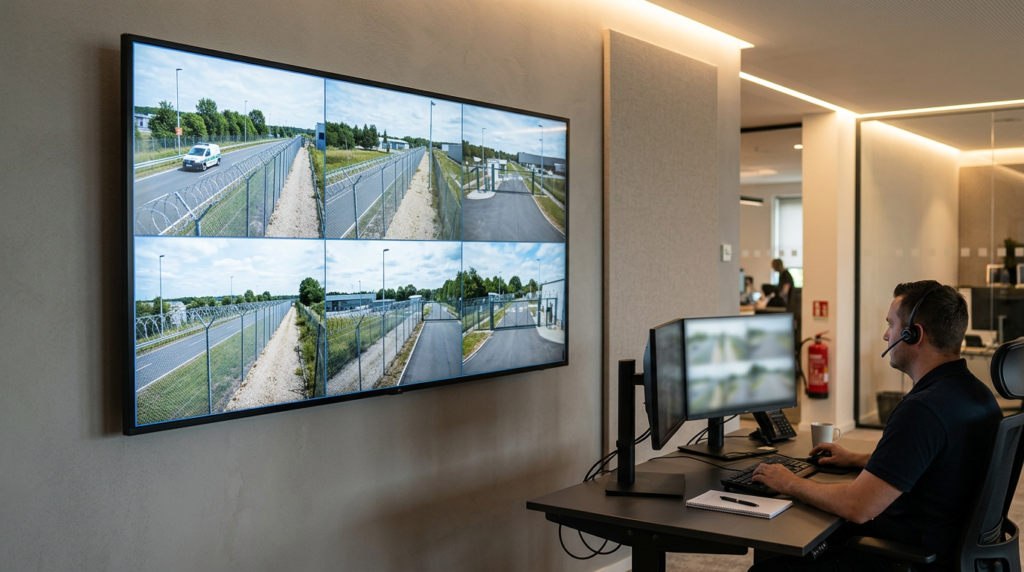
Complementing physical barriers with License Plate Recognition (LPR) cameras creates a reliable audit trail of every vehicle entering and exiting the premises. Furthermore, modern video surveillance must transition from passive recording to active, real-time monitoring. Intelligent video analytics can detect loitering, perimeter breaches, or unauthorized access in restricted zones, allowing security personnel to intervene before an incident escalates. When paired with high-quality lighting, these integrated systems drastically reduce criminal activity and improve the overall perception of safety.
A Practical Path to Compliance and Safety
Upgrading parking facility security requires a targeted site assessment. Professionals must evaluate current lighting levels, hardware conditions, sightlines, and access points to design a system that mitigates blind spots. Transitioning to a high-resolution, actively monitored surveillance platform combined with robust perimeter access control significantly reduces liability and protects the facility’s bottom line.
Next Steps
Meridian Alarm provides compliance-focused security audits and comprehensive system designs for commercial parking facilities. We help property owners implement layered defenses that protect assets and reduce legal exposure.
To prepare for a consultation, please have your current site map and a record of existing security hardware available. Contact our team to schedule a facility walkthrough and receive a prioritized security infrastructure plan.
Service Area: Cook, DuPage, Kane, Kendall, Lake, McHenry, Will.