Clone Key Fobs: What You Need to Know to Protect Your Facility
In the Greater Chicago Area / Chicagoland, many businesses rely on proximity key fobs for daily access control. However, a significant vulnerability exists within older, unencrypted 125kHz technology: these fobs can be easily cloned using inexpensive, off-the-shelf devices. Understanding this risk is the first step toward securing your facility against unauthorized entry.
The Vulnerability of Unencrypted Fobs
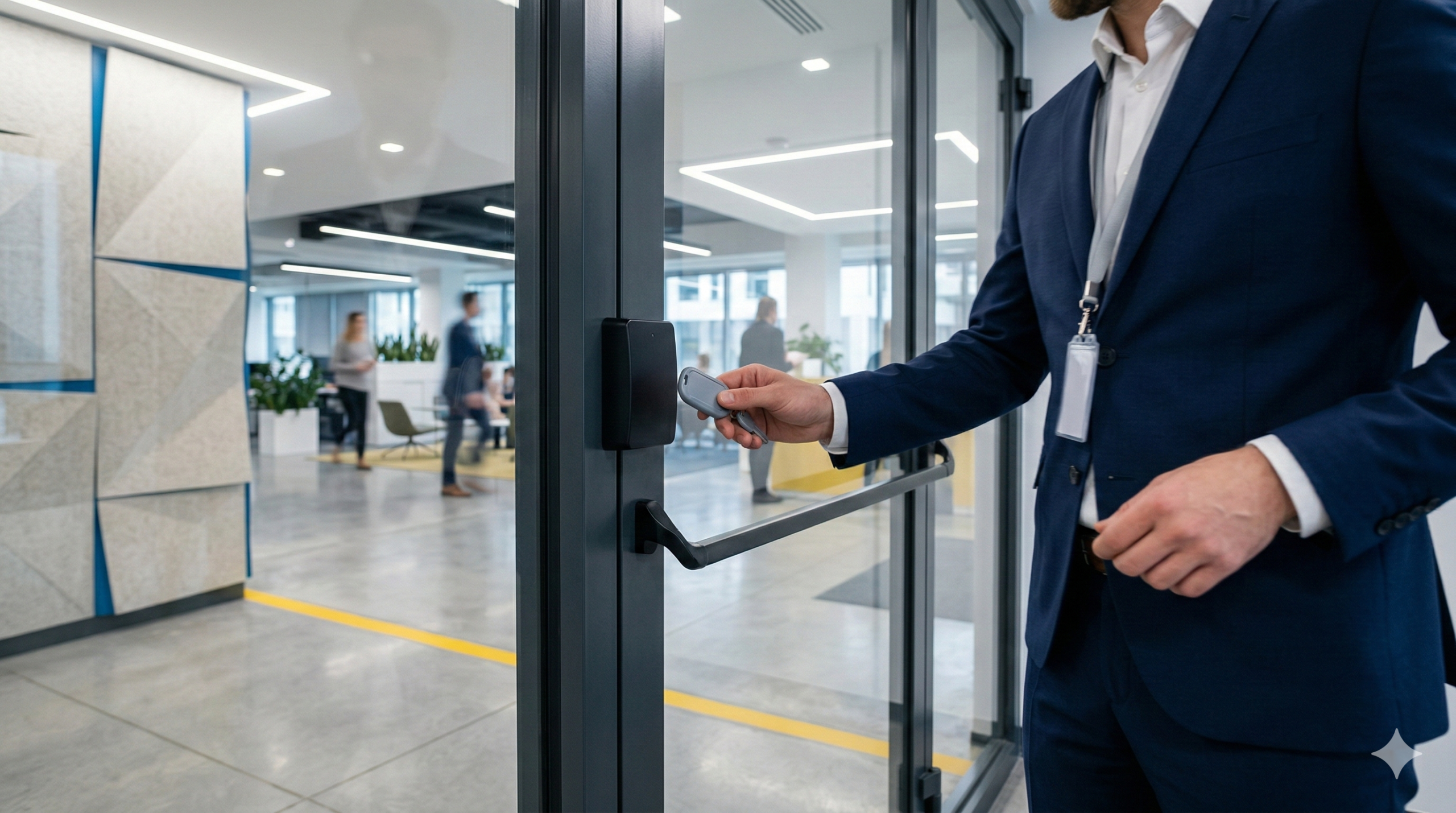
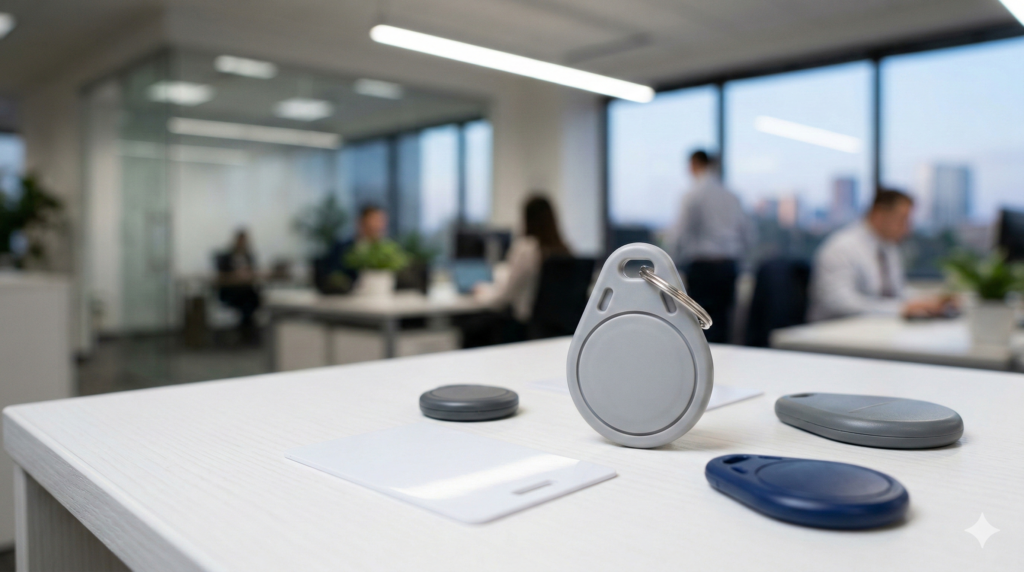
Standard 125kHz proximity fobs—often recognized by their “clamshell” or teardrop shape—operate by broadcasting a simple, fixed identification number when they come near a reader. Because this communication is not encrypted, any device capable of reading that frequency can capture the ID and copy it onto a blank fob in seconds.
This process, known as cloning, requires no technical expertise and can be performed without the original fob ever leaving the owner’s sight. For a property manager, this means that “lost” or “borrowed” keys can lead to a permanent security breach that traditional lock-and-key systems cannot easily mitigate.
Who Is Typically Affected
This security gap primarily affects older office buildings, multi-family residential complexes, and smaller commercial suites that haven’t updated their access control hardware in the last decade. If your facility still uses standard proximity technology without advanced encryption, you are likely at risk of unauthorized fob duplication.
Liability becomes a major concern for business owners when a cloned fob is used to gain after-hours access. Because the system recognizes the cloned ID as a legitimate user, the audit trail will incorrectly attribute the entry to the original cardholder, complicating any internal investigations.
Upgrading to Encrypted Smart Technology
The solution to the cloning threat is the migration to encrypted smart card technology, such as MIFARE DESFire or HID iCLASS. These modern credentials use advanced cryptographic keys to “handshake” with the reader. If the encryption keys do not match, the reader will not grant access, even if the identification number is correct.
Upgrading to these systems involves replacing older readers with multi-technology readers that can support both legacy fobs and new, secure credentials. This allows for a phased rollout, ensuring that business operations are not disrupted while the security of the facility is being hardened.
Documentation and Credential Management
Effective access control requires more than just secure hardware; it demands rigorous credential management. Every fob in circulation should be assigned to a specific individual and logged within a centralized management database. When an employee leaves or a card is reported missing, it must be deactivated immediately in the software.
Regular audits of these logs help identify unusual patterns, such as a single ID being used at multiple entry points simultaneously—a telltale sign of a cloned fob. Maintaining an accurate inventory and clear documentation is essential for ensuring that only authorized personnel have access to your building.
Next Steps
Meridian Alarm provides comprehensive security walks to identify legacy hardware and help you transition to a non-clonable credential platform. To prepare for a security review, please have your current card-access user list, a sample of your current key fob, and your system’s software version available.
Service Area: Cook, DuPage, Kane, Kendall, Lake, McHenry, Will