
Mitigating Retail Security Risks: A Guide for Facility Managers
For retail enterprises in the Greater Chicago Area, the facility is more than just a storefront; it is a complex ecosystem of inventory, digital assets, and human life. Facility managers and retail executives face an evolving threat landscape that goes far beyond simple shoplifting. Securing a modern retail environment requires moving past off-the-shelf convenience and investing in integrated life-safety and security infrastructure.
What Goes Wrong in Retail Security Projects
Retailers often rely on outdated or improperly designed systems that leave massive vulnerabilities across the organization.
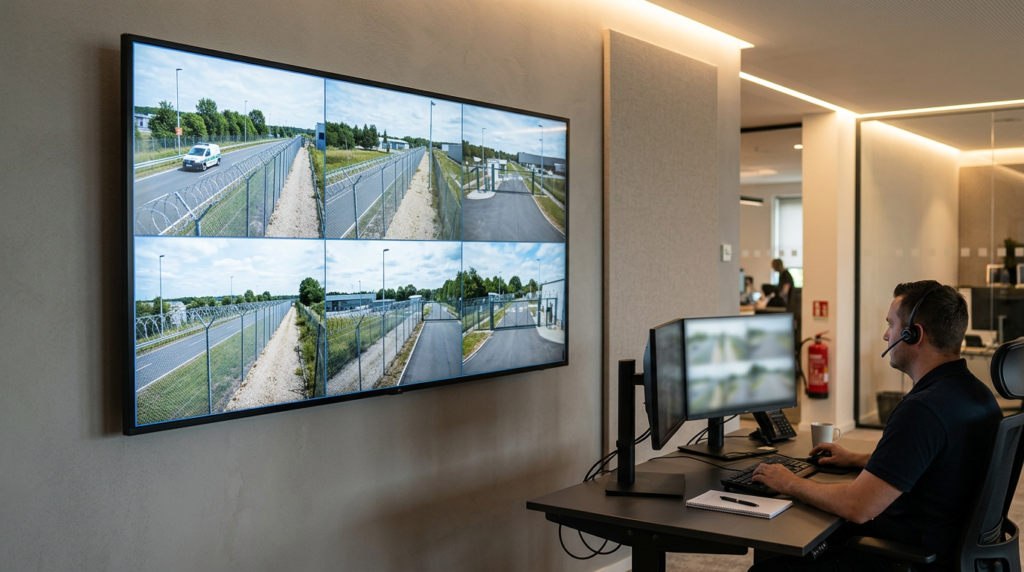
Forensic Evidence Gaps: Basic recording systems fail to provide the high-definition optical clarity required by law enforcement and insurance underwriters to combat organized retail crime.
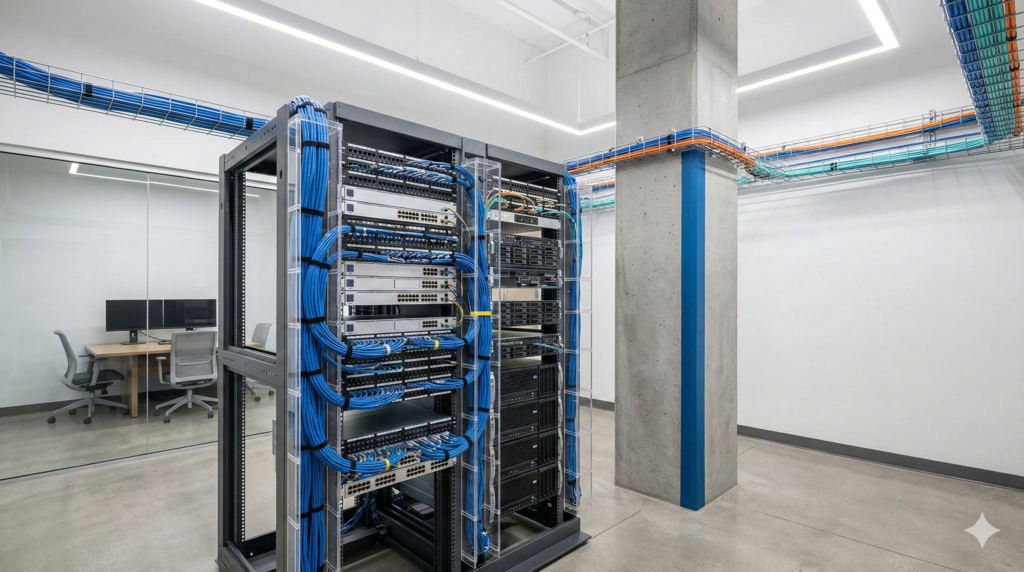
Network Infrastructure Compromise: Point-of-sale systems and internal networks become vulnerable to digital intruders when low-voltage cabling and security hardware are poorly segmented.
Environmental Blind Spots: Failing to integrate environmental monitoring leaves valuable seasonal inventory exposed to catastrophic HVAC failures or water ingress.
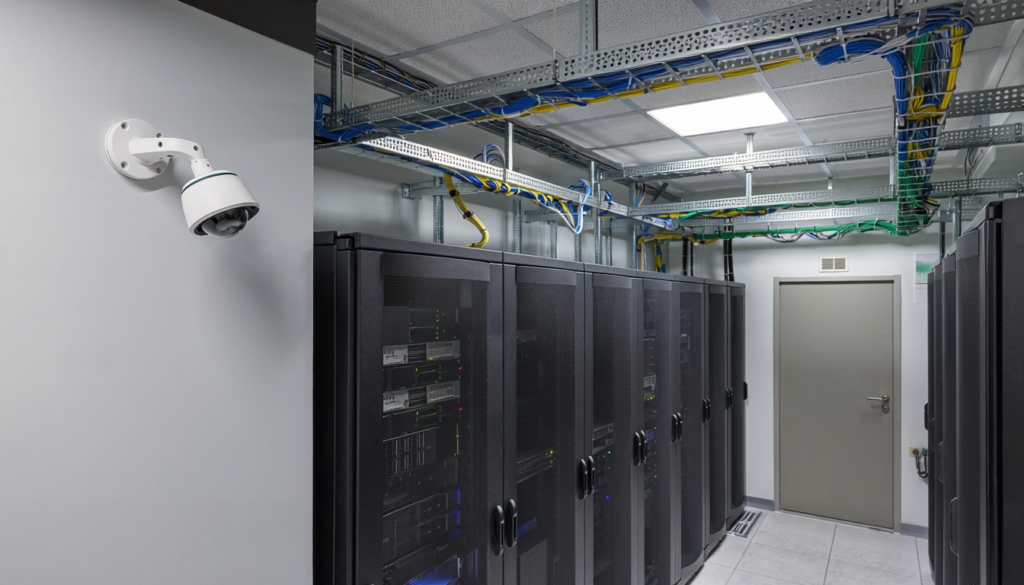
Liability Exposure: Improperly placed cameras fail to cover high-traffic transition areas, leaving the business defenseless against fraudulent slip-and-fall claims.
A Code and Standards Reality Check
A hardened retail perimeter must adhere strictly to established life-safety and security codes. Electronic premises security systems must be deployed in accordance with NFPA 731 guidelines to ensure reliable operation and proper component placement. For environmental and life-safety integration, adherence to NFPA 72 ensures that fire and water monitoring systems report accurately to central stations. Furthermore, all supporting network infrastructure should follow BICSI standards for structured cabling, guaranteeing that IP cameras and access control panels maintain uninterrupted connectivity.
The Meridian Alarm Approach
At Meridian Alarm, we view retail security through the lens of infrastructure reliability and liability reduction. Our process begins with a comprehensive site walk-through to identify specific risk areas, from high-value merchandise displays to stockroom access points.
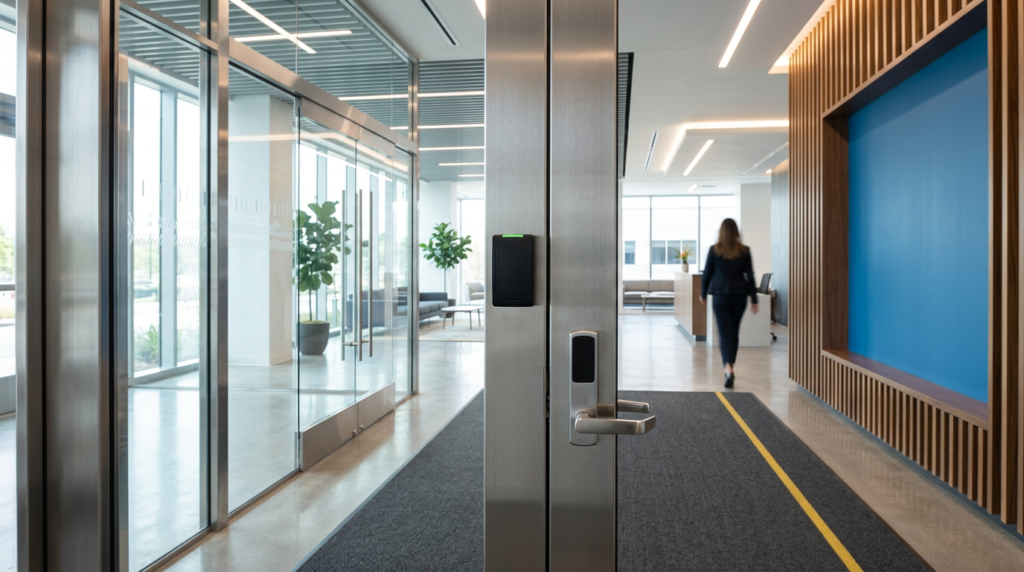
We make design decisions tied directly to your unique risk profile, deploying high-definition sensors and cloud-based access control. Our installation practices emphasize clean, secure cable management to minimize the attack surface of your digital infrastructure. Following installation, we conduct rigorous testing and verification of all devices. Every project concludes with detailed documentation, port labeling, and thorough turnover training for your facility management team.

How to Plan the Project (Timeline + Coordination)
Upgrading retail surveillance and access control requires strategic coordination to avoid disrupting the shopping experience. We work closely with your general contractors, IT departments, and property managers to establish secure VLANs and schedule hardware deployments.
Physical installation is typically coordinated during after-hours or specific low-traffic windows. We manage all pathway routing and conduit installations discretely, ensuring that the physical security infrastructure blends seamlessly with your store’s aesthetic while maintaining structural integrity.
Ready to evaluate your current retail security posture and life-safety compliance? We offer a comprehensive network and physical security site audit for commercial retail facilities. You will receive a detailed written scope of work, including strategic device counts and coverage maps. Simply prepare your current floor plan and a basic IT network topology, and contact us to schedule your site walk-through.
Service area: Greater Chicago Area (Cook, DuPage, Kane, Kendall, Lake, McHenry, Will).